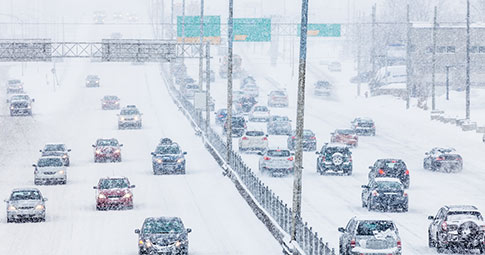
Quebec’s harsh winter climate requires careful vehicle maintenance. To stay safe and avoid breakdowns, it’s essential to prepare your car with the right winter accessories and inspect key components before the winter months. Here is our winter checklist, a handy guide to help you face winter with confidence.
1. Choose the right winter tires and install them on time
Did you know? There are no bad winter tires—only tires that are poorly matched to the vehicle or the driver. Winter tire rubber stays flexible even in extreme cold, improving traction and reducing braking distance. With four identical, well-matched tires, your car maintains optimal stability.
Follow the legal winter tire installation period, from December 1 to March 15.
Install your tires as soon as temperatures drop to around 7°C for several consecutive days. Do it early to avoid the rush when the first snowfall arrives.
Here are a few resources to help you choose the right winter tires:
Check out our Winter Tire Buying Guide to find the ones that suit your vehicle and driving habits.
A vehicle’s electrical system is heavily used during winter. A car battery that is over four years old and shows slow starting or dimming headlights should definitely be tested.
Have your battery checked during routine maintenance or tire changes.
Request Battery Service if you are a CAA-Quebec member. A technician will test and replace your battery on-site if needed.
Choose a CAA Battery. With a 6-year warranty, they are designed to withstand the toughest Canadian winters.
Here’s what to check on your car before the cold season:
Belts and hoses: Watch for cracks, bulges, or leaks that could worsen in cold weather.
Headlights: Make sure they are clean and fully functional for optimal visibility in snow or fog. Not the case? Consider professional headlight polishing.
A clean, well-protected vehicle withstands winter conditions better and helps limit bodywork wear:
Clean the inside and outside of your vehicle. For long-lasting protection, apply wax or have the body polished by a professional.
Get a rustproofing treatment.
5. Make Cold-Weather Starting Easier
These simple steps help your car start more easily in freezing temperatures and protect its mechanical components:
Keep the fuel tank at least half full and avoid idling for too long.
Start your vehicle gently without putting too much strain on the engine.
Use a block heater starting at –5°C to warm the engine and cabin.
Turn off accessories—ventilation, defrost, radio, etc.—before shutting off the engine. This makes restarting easier, especially since at –30°C, a battery has only about 25% of its capacity.
6. Preserve your electric vehicle battery in winter
Cold temperatures reduce the range of electric vehicles (EV) batteries in winter, making energy savings crucial:
Ensure a full charge before each trip to maximize range.
Preheat the cabin while the vehicle is plugged in to save battery power on the road.
Lower the heat slightly and use eco modes and heated seats when possible.
Equip your headlights with low-consumption bulbs to reduce battery impact.
Park indoors and keep the vehicle plugged in, even after it is fully charged.
Allow extra time for charging—winter charging takes longer.
7. Equip your vehicle with essential winter accessories
Freezing rain, snow, or hail… Make sure your vehicle has the right accessories or a winter emergency kit for extreme weather:
Snow brush and ice scraper for clearing the windshield
Moulded winter mats or deep-groove mats to trap water and slush
Winter windshield wiper blades and cold-weather windshield washer fluid
Small shovel, flashlight, blanket, and warm clothing
Salt or grit, booster/jumper cables, traction aids
Snacks and water bottles for unexpected situations
8. Improve your winter driving skills on snow and ice
Your safety—and that of others—also depends on your ability to control your vehicle on snow and ice.
Several driving schools, including CAA-Quebec Driving Schools, offer winter driving courses for individuals. You will learn winter driving safety lessons such as:
Controlled braking and turning on slippery surfaces
Obstacle avoidance
Regaining control during a skid
These skills enhance your safety—and your passengers’—throughout the winter season.
Preparing your car for winter means driving more safely
Proper winter preparation—winter tires, mechanical maintenance, and essential accessories—reduces the risk of breakdowns and improves your safety on the road. With good habits and CAA-Quebec resources, you can drive with peace of mind all winter long.Vehicle safety and preparation don’t end with winter. Check out our practical guide: How to prepare your car for summer.
Benefit from personalized advice
Do you have questions about gas-powered or electric vehicles, driving, or need recommendations to find an Approved Auto Repair Service?